URGENT PUBLIC HEALTH ALERT: The Illinois Veterinary Medical Association has confirmed a case of rabies in a dog within Chicago. To protect your pets and family, please review the full report and safety guidelines from the Department of Public Health HERE.
Manage all your pet’s healthcare in one place with the chckvet Pet Portal – instantly view records, request refills, schedule appointments, message the clinic, and update your information. Download the app for Android or Apple.

Veterinarians in Palos Heights, IL
Welcome to Palos Animal Hospital
Dogs and cats are more than just animals. They’re our loyal friends and beloved family members, and they deserve professional veterinary care from a team of friendly, compassionate veterinarians and staff.
About Palos Animal Hospital
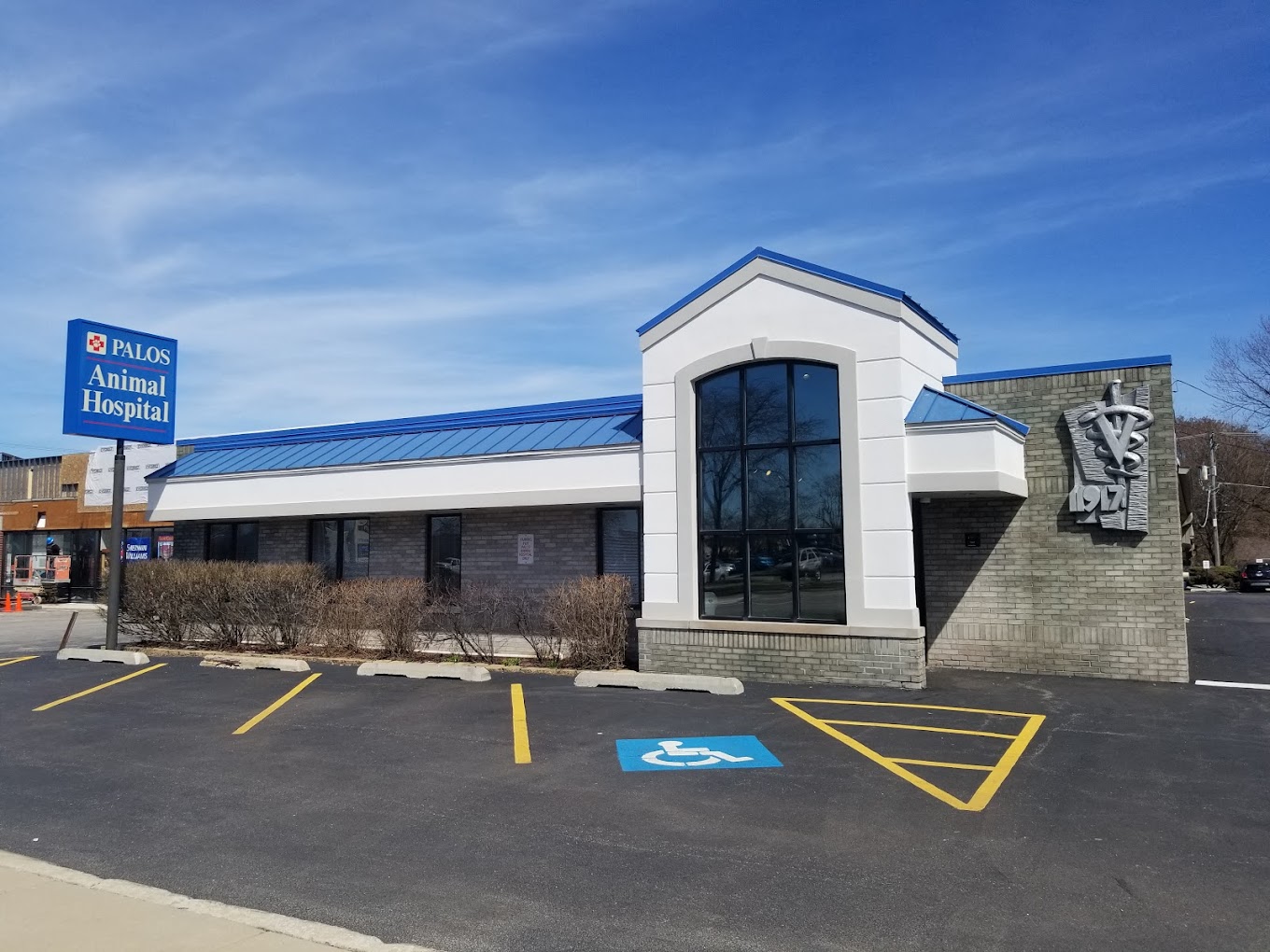
For over 65 years, Palos Animal Hospital has been a trusted name in veterinary care, serving the pets and families of Palos Heights, IL, and the surrounding southwest suburbs of Chicago. Since 1958, we’ve been committed to providing high-quality, compassionate care for dogs and cats, treating each pet as if they were our own.

Veterinary Services in Palos Heights, IL
At our Palos Heights, IL clinic, we provide comprehensive veterinary care for pets in the surrounding areas. Whether it’s routine wellness exams, dental care, surgery, acupuncture, or laser therapy, we’re here to keep your pet happy and healthy through every stage of life. With our in-house pharmacy and advanced diagnostics, we can quickly and effectively treat a wide range of conditions, tailored to your pet’s unique needs.




Meet Our Veterinary Team, Providing Compassionate Care for Pets in Palos Heights
Our experienced veterinary team has provided compassionate, high-quality care for pets in Palos Heights since 1958. Dedicated to your pet’s health and well-being, we offer personalized treatment to ensure they receive the best care possible.
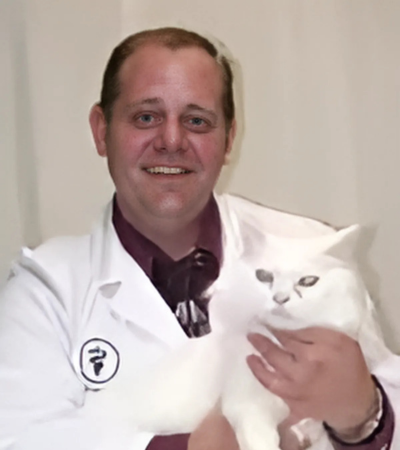
Dr. Jeff Sankey
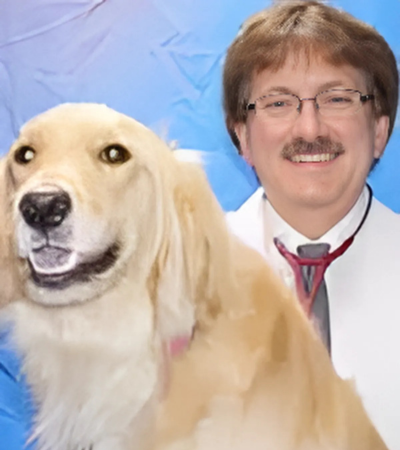
Dr. Thomas R. Kleven
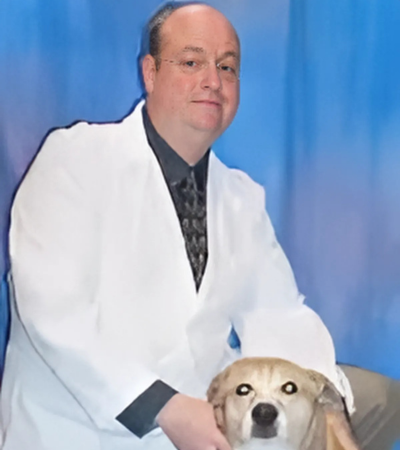
Dr. Joel Mills
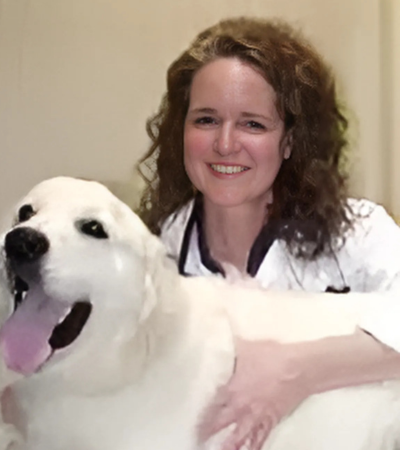
Dr. Susie Wall
Why Choose Palos Animal Hospital?
- AAHA-Accredited Since 1978: We meet the highest standards in veterinary medicine, ensuring top-quality care for your pet.
- Commitment to Excellence: Our accreditation reflects our dedication to both exceptional veterinary care and outstanding client service.
- Experienced & Compassionate Team: Our veterinarians and support staff are devoted to your pet’s well-being and understand the importance of the human-animal bond.
- Personalized, Family-Oriented Care: We take the time to understand your pet’s needs, providing thoughtful care in a warm and welcoming environment.

Thank You for Your Kind Words